
Full Story
What Makes Longyearbyen So Unique?
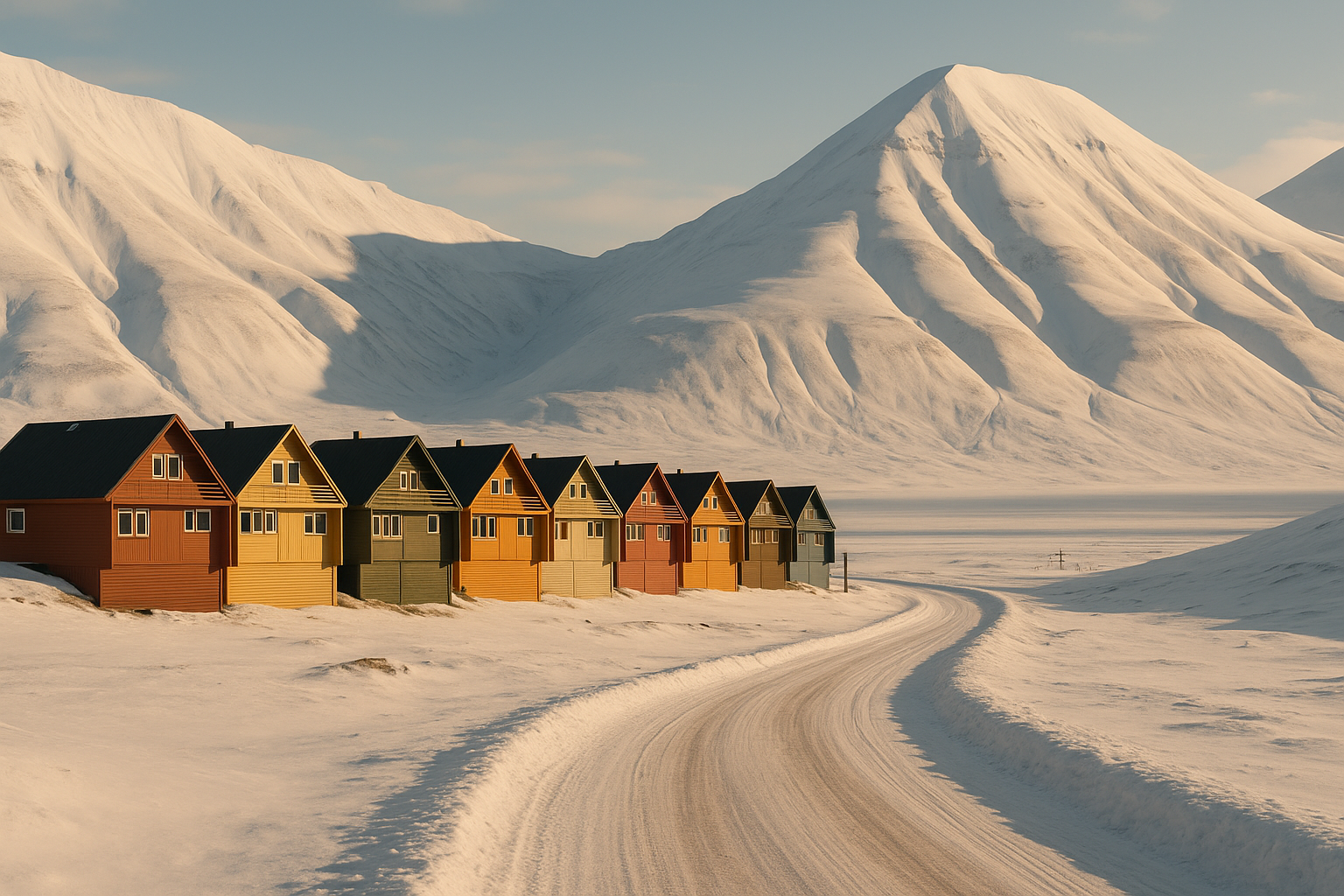
Longyearbyen is the largest settlement on the Svalbard archipelago, located well above the Arctic Circle. Its extreme northern location means it experiences polar night for several months each year and has a harsh, cold climate. But the most fascinating aspect is its permanently frozen ground, known as permafrost.
The Challenge of Permafrost
Permafrost means the soil remains frozen year-round, sometimes for thousands of years. This frozen ground makes digging graves impossible because the earth is too hard and cold to break through. Traditional burials simply cannot take place here.
Why Nobody Can Die in Longyearbyen
Because of the permafrost, bodies buried in Longyearbyen in the past have sometimes resurfaced due to the frozen ground thawing slightly during warmer months. This has led to concerns about the spread of diseases and the preservation of remains.
To avoid these issues, the local government has a strict policy: people who become seriously ill or near death are usually flown to the mainland of Norway for treatment and burial. This policy effectively means that residents cannot die in Longyearbyen itself.
Medical Evacuations and Community Impact
When someone falls seriously ill, they are quickly evacuated by air to hospitals on the mainland. This system ensures proper medical care and respects burial traditions without disturbing the fragile Arctic environment.
This unusual rule has shaped the community’s approach to health and emergency services. It also adds a layer of complexity to life in this remote town, where residents must be prepared for the possibility of leaving their home for critical care.
Life in Longyearbyen Beyond the Frozen Ground
Despite this strange fact about death, Longyearbyen is a vibrant community with a rich history tied to Arctic exploration and mining. It has schools, shops, and cultural events, attracting scientists, tourists, and adventurers alike.
Visitors come to experience the stunning Arctic landscapes, see the Northern Lights, and learn about the unique challenges of living in such an extreme environment.
Why Longyearbyen Captures Our Imagination
The idea of a town where nobody can die sounds like something out of a fantasy story. Yet, it’s a real place shaped by nature’s extremes and human adaptation. Longyearbyen reminds us how geography and climate can influence even the most fundamental aspects of life and death.
Conclusion
Longyearbyen’s frozen ground and strict health policies create a fascinating paradox: a town where death is managed differently than anywhere else on Earth. This unique Arctic community continues to thrive despite its challenges, offering a glimpse into life at the edge of the world.